









SMSG
SAHEL MINING Solutions Group

Loading...

Sahel Mining Solutions Group

Mining, transport, construction & trade driving Niger's development forward

Industrial equipment, logistics, real estate and services — one partner for all your projects.

Discover
0
Years exp.
0
Projects
0
Services

Who are we?

Team at work
+10
Years of experience

Sahel Mining Solutions Group is a Nigerien company built on trust and commitment. We operate in the key sectors shaping Niger's development: mining, transport, construction, international trade and professional services for businesses and public institutions. Our expertise and local presence allow us to support your projects with rigor, reliability and a constant commitment to excellence.

Proven reliability

Over a decade of trust with our international and local partners.

13 areas of expertise

From mining equipment to real estate, total coverage for your needs.

Local presence

Based in Niamey, we understand the realities and challenges of the Nigerien market.

Learn more

Our areas of expertise

Discover our 12 areas of expertise designed to support your professional, industrial and logistics projects in Niger.

Our strengths

Why choose us

Concrete advantages and proven expertise that make the difference to succeed your projects in Niger.

01

Superior quality

02

Guaranteed responsiveness

03

Strong network

04

Tailored solutions

05

Trust & transparency

06

Local expertise

News

Follow our latest news, projects and official announcements in Niger.

Construction Industry: A Key Driver of Development
06 Apr 2026

Construction Industry: A Key Driver of Development

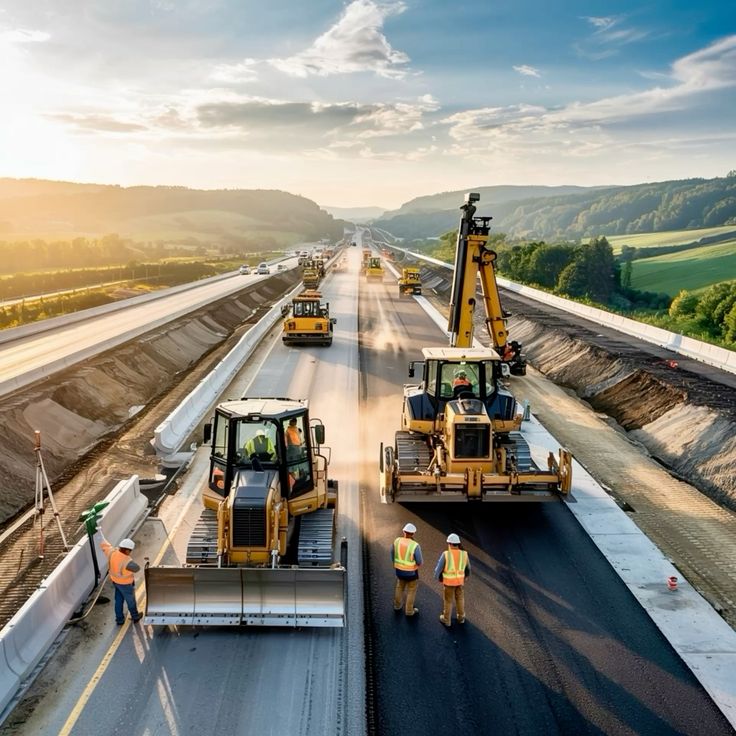
The construction industry plays a vital role in economic and social development. It includes all activities related to building infrastructure, housing, and public works. This sector contributes to job creation and improves living conditions through the construction of roads, buildings, bridges, and essential facilities. It actively supports urban growth and modernization. Successful project management in construction relies on proper planning, meeting deadlines, cost control, and maintaining high-quality standards. Strong coordination between stakeholders such as engineers, architects, and workers is crucial. With technological advancements, the industry is increasingly adopting modern tools like 3D modeling, project management software, and innovative materials. These improvements enhance efficiency and sustainability. Moreover, the construction sector is addressing environmental challenges by adopting eco-friendly practices and reducing its environmental impact. In conclusion, the construction industry is a fundamental pillar of development, combining innovation, efficiency, and sustainability.


Read
Car Rental: A Flexible and Practical Solution
06 Apr 2026

Car Rental: A Flexible and Practical Solution

Car rental has become an essential solution for both individuals and businesses. It allows users to access a vehicle that suits their needs without the constraints of ownership and maintenance. Whether for business trips, travel, or occasional use, car rental offers great flexibility. Customers can choose the type of vehicle, rental duration, and budget according to their specific needs. Effective car rental management helps control costs by eliminating expenses related to maintenance, insurance, and vehicle depreciation. This makes it especially beneficial for companies looking to optimize their fleet. With digital solutions, booking a car has become easier than ever. Users can reserve vehicles online, compare offers, and manage rentals in real time, enhancing convenience and user experience. Additionally, the industry is moving toward more sustainable options, with the inclusion of hybrid and electric vehicles to reduce environmental impact. In conclusion, car rental is a modern, cost-effective, and practical mobility solution.

Read
Logistics Transportation: A Key Business Driver
06 Apr 2026

Logistics Transportation: A Key Business Driver

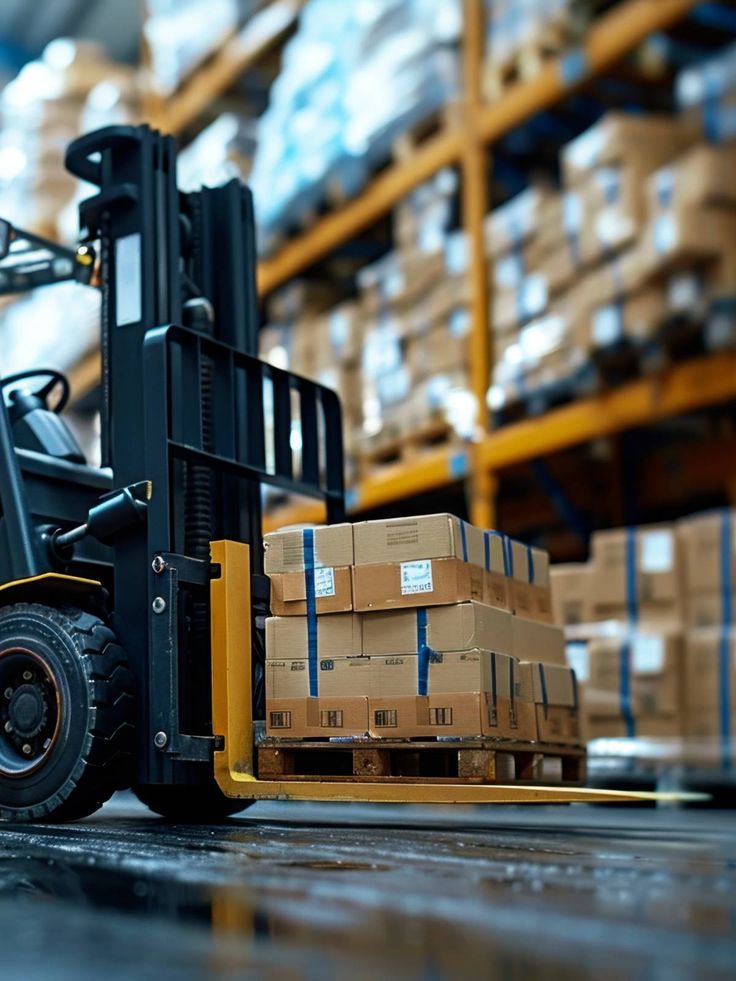
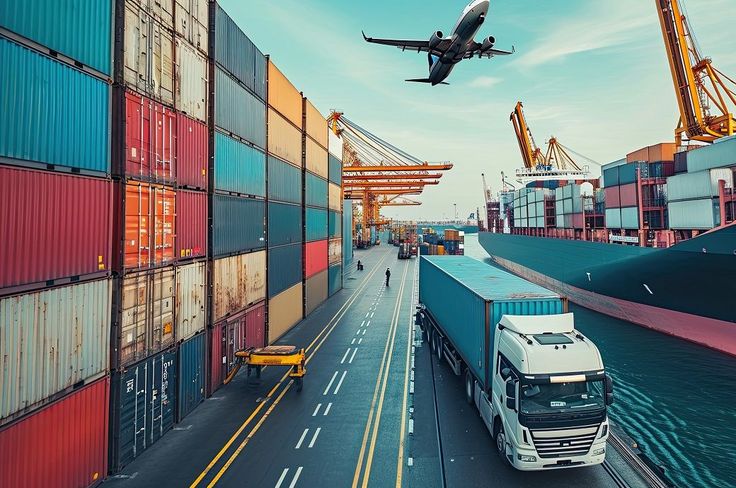
Logistics transportation plays a crucial role in modern business operations. It ensures the efficient movement of goods from suppliers to end customers while meeting delivery deadlines and quality standards. Effective logistics management helps reduce operational costs, improve delivery times, and minimize risks such as delays or losses. It relies on proper planning, the selection of suitable transportation methods (road, sea, or air), and strong coordination between all stakeholders in the supply chain. With the rise of digital technologies, companies can now track shipments in real time, optimize delivery routes, and analyze performance data. These tools enhance decision-making and improve overall operational efficiency. In addition, logistics transportation must address environmental challenges. Many companies are adopting sustainable practices, such as optimizing load capacity and using eco-friendly transport solutions to reduce their carbon footprint. In conclusion, logistics transportation is no longer just an operational function—it has become a strategic driver of competitiveness, customer satisfaction, and business growth.

Read